KAPOK Project - Peace Initiatives in the Border Region of Côte d'Ivoire, Burkina Faso, and Ghana
About the project
Violence in the Sahel region is steadily increasing due to terrorist groups, organized crime, and inter-communal conflicts. Originally concentrated in Mali and Niger, it has now spread to the northern regions of the coastal states of the Gulf of Guinea via Burkina Faso.
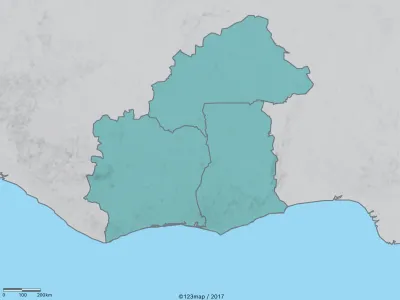
The increasing violence is also affecting the tri-border region of Burkina Faso, Côte d'Ivoire, and Ghana. Together with our partner organizations Indigo Côte d'Ivoire and Conciliation Resources, we want to strengthen the resilience of communities against violence. Between 2022 and 2024, our partners conducted a comprehensive and participatory conflict analysis. The aim was to better understand the conflict dynamics and the potential for peace and to lay the foundations for locally designed initiatives.
Since 2024, the KAPOK Peace Project - named after a locally growing tree species that often serves as a meeting place for communities - has been promoting dialog and trust at community level and between communities and local security actors. In addition, municipalities receive direct grants for smaller projects. The needs of the municipalities are passed on at regional level to key players, such as the border commissions of the three countries. This is intended to bring about sustainable change in the border region.
Why are we running this project?
In an area where the participation of those most affected by violence has so far been low, the project helps to make local voices heard from different sectors of society and across national borders in a sustainable and responsible way.
What are our goals?
The project aims to strengthen the resilience and peaceful coexistence of communities in the border region of Burkina Faso, Côte-d'Ivoire and Ghana.
How does the project work?
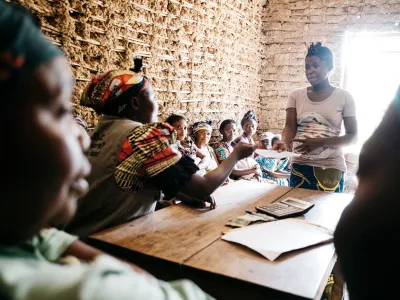
The aim is to build trust at municipal level, between municipalities and local state (security) actors and at regional level, such as the exchange between border commissions. In addition, the municipalities should be able to implement smaller activities independently through direct subsidies.
It is important to recognize and use existing conflict management mechanisms and resilience factors in the communities. We are therefore investigating how local responses to insecurity can be strengthened. In Côte d'Ivoire, for example, local community conflict resolution mechanisms are being used to resolve conflicts over land and succession in traditional leadership within and between communities.
Initial successes include the increased visibility of the local project organizations in the border region and the trust created between KAPOK employees, the border communities, and local actors.
The research results of the conflict analysis are currently being summarized and a dissemination strategy is being developed, while coordination with other actors active in the region continues.
Your contacts
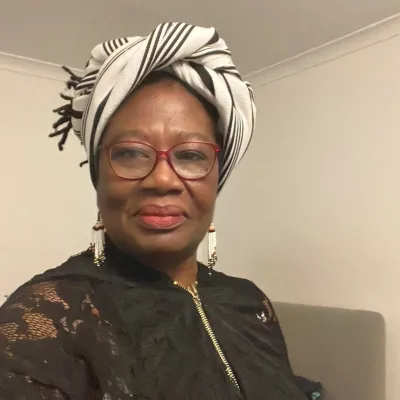
Janet Adama Mohammed
Conciliation Resources

Séverin Yao Kouamé
Indigo Côte d'Ivoire

Nuria Grigoriadis
Senior Project Manager
Lukas Noah Drammeh
Senior Project Manager